

(828) 471-4317
Now Offering Spanish Safety Training!

Now Offering Spanish Safety Training!


Reducing Heat Stress Risk for Outdoor Workers in Hickory
Heat Stress Prevention
Why Heat Stress Is a Growing Risk in Hickory

Hickory employers with outdoor crews face rising heat stress risk as summers bring high humidity, hotter afternoons, and strenuous work. Landscaping, utilities, construction, paving, and field service teams can build dangerous heat load quickly, before workers recognize early warning signs or ask for help promptly.
OSHA heat stress guidance expects employers to identify hazards and provide reasonable protection under the General Duty Clause. After an incident, inspectors may review planning, training, supervision, and emergency heat response. Weak preparation can trigger citations, claims, injuries, and avoidable downtime for local crews quickly.
Reducing heat stress begins by treating it as a predictable hazard. Employers who plan, monitor conditions, and adjust work protect people while supporting heat stress prevention Hickory goals. Written logs also show NC OSHA that heat risks are managed before problems escalate on-site daily.
Core Controls: Water, Rest, Shade, and Scheduling
An effective water rest shade program starts with supplies workers can use without leaving the job area. Provide cool, potable drinking water near each crew, keep it replenished, and encourage small, frequent drinks before thirst develops. For long shifts, heavy tasks, or humid afternoons, add electrolytes and verify cups, sanitation, and replacement coolers during supervisor inspections at scheduled breaks throughout the entire shift each day onsite.
Rest and shade are equally important for outdoor worker heat safety. Set shaded, ventilated, or cooled recovery areas close to the work zone, then schedule breaks based on workload, clothing, and heat conditions. As temperatures rise, shorten work cycles, rotate tasks, and use mechanical aids. These steps should be planned so supervisors are not improvising under pressure during peak heat or demanding production periods in Hickory's summer.
Scheduling often costs little and protects quickly. Move strenuous work to early morning, delay nonessential tasks during peak heat, and allow flexibility when heat index monitoring shows dangerous spikes. Document schedule changes, break adjustments, and crew notifications. Those records demonstrate that production goals do not override North Carolina heat safety responsibilities for Hickory employers managing outdoor crews throughout busy summer projects and emergency field service calls daily.
Monitoring Conditions and Trigger Points
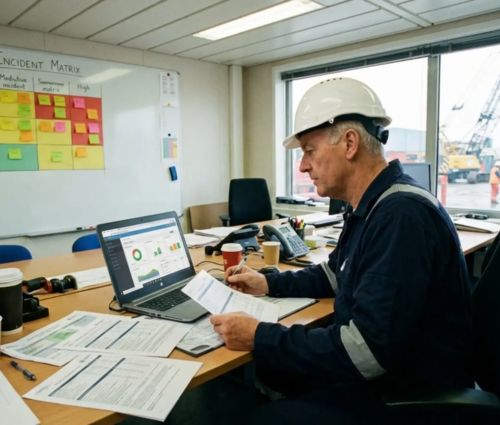
Monitoring conditions helps supervisors intervene before workers become overwhelmed. Use reliable local weather data, National Weather Service updates, or validated apps to track the heat index during each shift. For roofing, paving, or reflective surfaces, consider extra measurements for radiant heat, clothing, and workload exposure.
Create trigger points that require added controls at specific readings. Moderate levels may increase water breaks, higher levels may require shade, rotation, and supervisor check-ins, and extreme conditions should stop nonessential work. Triggers must be written, trained, and simple enough for field use in Hickory.
Supervisors need authority to act on readings without approval delays. Record daily conditions, trigger levels reached, actions taken, and work changes. This log shows ongoing monitoring and proves decisions are made for employee protection, not only to maintain production quotas during heatwaves or deadlines alone.
3 Paragraphs: 135 Words
Lorem ipsum dolor sit amet, consectetur adipiscing elit. Sed non sapien sed magna laoreet tristique. Nulla facilisi. Morbi vel magna nec tortor hendrerit tincidunt. Pellentesque habitant morbi tristique senectus et netus et malesuada fames ac turpis egestas.
Ut dignissim, nunc ac malesuada varius, augue libero tempor metus, vel pretium enim nulla at velit. Aliquam erat volutpat. Cras id lorem eget justo fermentum pulvinar. Curabitur semper, eros sed iaculis vulputate, tortor augue fermentum eros, non efficitur sem orci ac tellus.
Suspendisse ac diam et est dignissim placerat. Integer et nunc ut sapien gravida scelerisque. Sed nec metus non lacus tempus congue. Proin sed nisl non risus luctus iaculis. Vivamus cursus justo ut magna laoreet porta.
Training supervisors to recognize heat illness symptoms is just as important as measuring conditions. Dizziness, confusion, nausea, cramps, faintness, heavy sweating, or hot, dry skin require immediate action. Crews should report symptoms early, help coworkers speak up, and understand that stopping work for heat safety will not lead to discipline. That reporting culture prevents small warning signs from becoming emergencies during humid Hickory afternoons on construction, utility, landscaping, and service projects across the area daily.
Emergency response planning completes the control strategy. Define who calls 911, who begins cooling, where first-aid supplies are stored, and where responders should meet crews on large or remote sites. Practice the response during safety meetings and document each drill. Fast cooling, clear communication, and assigned roles reduce delays and show that heat emergencies are treated as serious workplace hazards rather than afterthoughts when a worker becomes distressed far from the office or trailer nearby.
Acclimatization for New and Returning Workers
New and returning workers face a higher heat illness risk because their bodies have not adapted to sustained heat exposure. A written acclimatization plan increases exposure gradually over 7-14 days, allowing employees to adjust safely. Without this step, even experienced workers can be overwhelmed during the first hot week, after vacation, after illness, or when moving from indoor work to outdoor tasks in Hickory during peak summer weather.
A practical schedule starts with lighter duties, shorter exposure periods, and more frequent breaks during early shifts. Increase workload incrementally while monitoring symptoms, hydration, and behavior. Pair new employees with experienced mentors who can notice changes, encourage rest, and reinforce expectations. Supervisors should check in several times daily and record observations, especially when humidity and physical workload increase on open jobsites or roadway assignments near traffic.
Acclimatization must be planned and tracked, not handled informally. Identify employees who are new, returning from leave, or assigned to hotter tasks, then apply the schedule consistently. Document start dates, duties, restrictions, supervisor check-ins, and any changes made. These records show the employer anticipated risk and implemented controls before NC OSHA reviews the program after a complaint, incident, injury, or heat-related near miss at the worksite.
Training Crews to Recognize and Respond
Heat safety training should be brief, frequent, and practical. Teach workers to recognize symptoms in themselves and others, follow hydration expectations, and locate shade, cooling supplies, and supervisors quickly. Use real examples from Hickory jobsites so instructions connect with daily tasks and hazards clearly onsite.
Supervisors need extra training on decisions. They must know when to modify schedules, stop work, call for medical help, or begin cooling without hesitation. Training should cover communication, including tailgate reminders, radio check-ins, and respectful responses when employees report symptoms or request shade immediately nearby.
Document training with rosters and refresh it before hot weather returns. Add short toolbox talks during heat waves to reinforce controls, answer questions, and review incidents. When training matches, monitoring, acclimatization, and response procedures, crews are more likely to act quickly and correctly outside daily.

Heat stress prevention succeeds when expectations are reinforced daily. Start each shift with a short heat check-in covering the forecast, trigger levels, water and shade locations, break timing, and schedule changes. Encourage two-way communication so workers can raise concerns without fear. This routine keeps heat awareness high while supporting practical outdoor worker heat safety across changing crews, scopes, and Hickory jobsite conditions throughout long summer projects, emergency repairs, and routine service calls in humid weather.
From a compliance standpoint, keep records simple and accessible. Maintain written heat procedures, daily condition logs, acclimatization documents, training rosters, incident reports, and near-miss notes in one folder. Review them weekly during hot months to spot trends and correct gaps. This documentation shows NC OSHA that heat stress is actively managed and helps leaders confirm the field plan matches actual conditions before a worker is injured or an inspector asks for proof during follow-up reviews.
60-Day Heat Safety Action Plan
Days 1-15: plan and equip. Write a heat stress procedure covering water, rest, shade, monitoring, acclimatization, and emergency heat response. Purchase coolers, shade structures, electrolyte options, first-aid supplies, and thermometers or approved app subscriptions. Train supervisors on trigger points, documentation, and authority to adjust work. Confirm who owns the program and where supplies will be stored, inspected, replenished, cleaned, and moved between Hickory jobsites daily all summer.
Days 16-30: train and pilot. Deliver North Carolina heat safety training to outdoor workers, emphasizing symptoms, reporting, hydration, shaded rest, and peer observation. Begin daily heat index monitoring and log conditions, triggers, and actions. Apply acclimatization schedules for new or returning employees, then adjust tasks, breaks, and start times based on readings and supervisor observations during the pilot for consistent field implementation across Hickory operations each week.
Days 31-60: verify and improve. Review logs for consistency, interview crews about what works, and revise schedules, shade placement, or break frequency. Run a short drill for heat illness response and document results. By day 60, your company should have trained crews, stocked supplies, written procedures, and records demonstrating proactive heat stress management aligned with OSHA expectations before the next major Hickory summer heat event arrives.
Have Questions About What We Offer?
To learn more about our services, contact us today!
Have Questions About What We Offer?
Contact us to learn more about our services

Speak with a
safety Specialist
Workplace Safety Training & Consulting Experts for
Charlotte, Hickory, Asheville, North Carolina and
the Southeast for since 2005!