

(828) 471-4317
Now Offering Spanish Safety Training!

Now Offering Spanish Safety Training!


Mock OSHA Inspections: How Pre-Audit Reviews Lower Risk and Save Money
Mock Inspections
What a Mock OSHA Inspection Includes

Mock OSHA inspections replicate the questions, document requests, and walkaround approach that compliance officers use, but in a controlled internal setting. They help you spot training gaps, housekeeping issues, equipment hazards, and missing records before they become citations or injuries. They also teach supervisors how to answer accurately and calmly.
A strong mock inspection reviews written programs, logs, and training proof, then tests whether the work on the floor matches the paperwork. It includes manager interviews, employee interviews, and a facility tour based on your hazards and industry. The goal is to validate controls during work, not staged conditions.
When done consistently, pre-audit reviews create a measurable prevention cycle: identify findings, assign fixes, verify closure, and trend repeat issues. That discipline lowers risk, supports insurance outcomes, and reduces disruption when an actual OSHA inspection occurs.
How Pre-Audits Reduce Costs Fast
Pre-audits reduce costs by finding small problems before they create a recordable injury, a shutdown, or a citation with abatement deadlines. The earlier you correct hazards, the cheaper the fix tends to be, because you can schedule maintenance, order parts, and train crews without emergency overtime. It also improves leverage with vendors because upgrades are planned, not reactive.
A practical mock inspection starts with document readiness. Confirm your OSHA 300/301 logs, written programs, and training records are complete and consistent, then verify they match the equipment and tasks on site. Next, walk the floor with a checklist that targets your real exposures: guarding, lockout/tagout, electrical, ladders, PPE, and housekeeping. Interview employees to confirm they understand the hazards and can describe safe steps.
After the review, convert findings into a prioritized action plan. Assign owners, due dates, and verification proof, and separate quick wins from capital items so leaders can fund fixes in phases. Track closure in one log and require effectiveness checks, not just “completed” notes. Share results with supervisors and include lessons learned in toolbox talks. This approach reduces incident frequency, lowers insurance modifiers, minimizes production disruption during a real OSHA visit, and significantly limits future repeat citations over time.
Building a Checklist from OSHA Focus Areas

Build your mock inspection checklist using OSHA’s most common citation themes and your own incident trends. Use the last 12 months of audits to rank items by risk first. Start with physical hazards: machine guarding, walking-working surfaces, ladders, fall protection, and struck-by zones around moving equipment.
Add energy and electrical controls. Verify lockout/tagout procedures, authorized employee lists, lock availability, and periodic inspections. Check extension cords, GFCIs, panel clearances, labeling, and damaged plugs or missing covers. Include compressed gas storage, hot work permits, and fire extinguisher inspections if applicable.
Finally, include paperwork and employee knowledge checks. Confirm HazCom chemical inventories, SDS access, labeling, and training rosters. Review PPE hazard assessments, hearing conservation if needed, and powered industrial truck evaluations. Use the checklist to guide interviews: can employees explain hazards, controls, and reporting expectations in plain language clearly.
3 Paragraphs: 135 Words
Lorem ipsum dolor sit amet, consectetur adipiscing elit. Sed non sapien sed magna laoreet tristique. Nulla facilisi. Morbi vel magna nec tortor hendrerit tincidunt. Pellentesque habitant morbi tristique senectus et netus et malesuada fames ac turpis egestas.
Ut dignissim, nunc ac malesuada varius, augue libero tempor metus, vel pretium enim nulla at velit. Aliquam erat volutpat. Cras id lorem eget justo fermentum pulvinar. Curabitur semper, eros sed iaculis vulputate, tortor augue fermentum eros, non efficitur sem orci ac tellus.
Suspendisse ac diam et est dignissim placerat. Integer et nunc ut sapien gravida scelerisque. Sed nec metus non lacus tempus congue. Proin sed nisl non risus luctus iaculis. Vivamus cursus justo ut magna laoreet porta.
A good pre-audit interview feels like a coaching conversation, not a test. Ask supervisors how they verify inspections, discipline, and corrective actions, then compare their answers to what is written and what you observe on the floor. Ask employees what hazards worry them most, where near-misses happen, and how they report issues. Use simple questions that confirm understanding of PPE, lockout steps, and stop-work expectations. Keep notes neutral and avoid employee names in the finding narrative at all.
To keep scope manageable, run a “top ten” review before you do a full audit. Spend 15 minutes on housekeeping, aisles, exits, cords, ladder condition, guarding, and basic PPE compliance in the highest-activity areas. Document photos and notes, then immediately assign quick fixes to a named owner. This approach builds momentum, lowers obvious risk quickly, and reduces the chance that small visible issues set a negative tone in a real OSHA walkaround overall.
Fixing Findings: Corrective Actions and Proof
Once findings are identified, treat them like controlled projects with clear proof. For each hazard, write a corrective action that describes what will change, where it applies, and what “done” looks like. Include interim controls if the permanent fix requires time, such as tagging equipment out of service, adding a spotter, or restricting access until repairs are complete. Use the hierarchy of controls to prioritize engineering fixes over reminders or retraining.
Create a single corrective action log that assigns an owner, due date, and verification step. Verification should be objective: a photo of the new guard, a revised procedure, a completed work order, a signed competency checklist, or a follow-up inspection record. Add an escalation rule when due dates slip: leadership review, procurement approval, and a control plan. Tie the log to maintenance tickets so repairs do not get lost.
Document effectiveness checks and closeout. Re-audit within two weeks, then again within 60–90 days, and record any adjustments if the fix is bypassed or creates new issues. Capture lessons learned and update your JHAs and training content. Track repeat findings by department to target consistent coaching. This closure process is what turns a mock inspection into lower risk and measurable savings.
Common Gaps That Trigger Citations
Many citations start with simple, visible issues that suggest weak control: blocked exits, missing guardrails, poor housekeeping, or damaged cords. These items are easy for inspectors to document quickly and they often lead to deeper questions about your programs and training. Ladders and fall protection are frequent add-ons.
Machine guarding and lockout/tagout gaps are also common triggers. Inspectors look for missing guards, bypassed interlocks, and jam-clearing practices that expose hands. For LOTO, they verify authorized employee training, device availability, and periodic procedure inspections that match the equipment in use.
Record readiness is the third hot spot. Missing OSHA 300/301 records, incomplete HazCom inventories, outdated SDS binders, or training rosters that do not match current job assignments can create citations even if the work appears safe. Mock inspections catch these gaps while fixes are still inexpensive early.
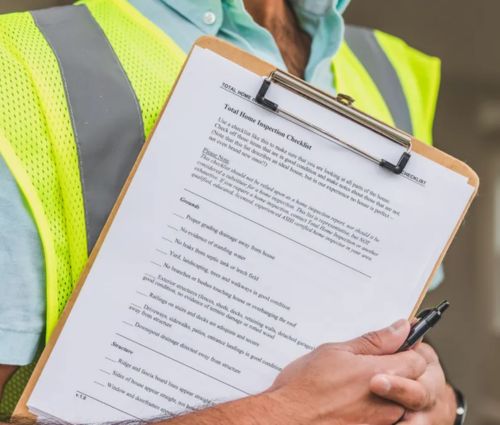
If you want mock inspections to save money, focus on finding repeatable system issues, not one-off cleanups. Standardize your audit form, train two to three internal auditors, and rotate them across departments so fresh eyes catch normalization of deviance. Use photos, simple scoring, and a short narrative that links each finding to a standard or company rule. Keep it factual and keep it respectful. Set due dates and require supervisors to sign off on closures.
Build a “ready folder” after each mock inspection. Store the current written programs, training matrices, OSHA logs, recent corrective action logs, and a sample of closed findings with proof photos. Add meeting notes that show leadership review and resource approvals. When OSHA visits, you can respond without scrambling, and you also show an active management system. Over time, that readiness reduces downtime, limits consultant spend, and improves the credibility of your safety program with employees.
90-Day Mock Inspection Routine for Leaders
Weeks 1–2: set your scope and expectations. Decide which areas will be audited first, define what documents must be ready, and train auditors on interview technique and evidence collection. Assign a sponsor who can approve resources, and define how findings will be scored and escalated. Build a checklist that matches your hazards, and schedule the first mock inspection during normal operations, not a quiet day.
Weeks 3–6: run the mock inspections and fix quick wins immediately. Document findings with photos, link each to a requirement, and enter corrective actions into one log with owners and due dates. Use huddles for urgent hazards and weekly reviews for everything else. Hold a weekly meeting with operations and maintenance to clear roadblocks, approve purchases, and verify controls remain in place.
Weeks 7–12: verify closure and institutionalize improvements. Re-audit the areas with the highest findings, confirm employees understand new procedures, and update JHAs, SOPs, and training materials. Add a quarterly cadence for the full facility, plus spot checks after incidents or process changes. Track completion rates and repeat findings so management sees progress. By day 90, you should have an evidence bundle showing discovery, correction, verification, and consistent management review OSHA expects to see.
Have Questions About What We Offer?
To learn more about our services, contact us today!
Have Questions About What We Offer?
Contact us to learn more about our services

Speak with a
safety Specialist
Workplace Safety Training & Consulting Experts for
Charlotte, Hickory, Asheville, North Carolina and
the Southeast for since 2005!