

(828) 471-4317
Now Offering Spanish Safety Training!
Now Offering Spanish Safety Training!

Fall Protection Compliance: Preventing Falls in Construction & General Industry
Fall Protection
Why Falls Remain a Top OSHA Hazard

Falls remain one of OSHA’s most persistent hazards because exposure can appear during routine work on roofs, ladders, scaffolds, mezzanines, loading docks, and elevated platforms. Even short falls can cause life-changing injuries, lost production, emergency response, and long recovery periods for people on-site daily.
OSHA fall protection requirements continue to be cited because many hazards are visible, measurable, and preventable. Missing guardrails, open floor holes, improper ladder setup, or damaged arrest equipment may be recognized quickly, yet controls fail when planning and supervision are inconsistent across active jobsites today.
Strong fall protection compliance requires a practical system: fall hazard assessment, equipment selection, worker training, inspection, and documentation. When employers plan working at heights safety before tasks begin, they protect workers, support schedules, and create defensible proof of prevention-focused compliance during an OSHA inspection later.
Identifying Fall Hazards Before Work Starts
Effective planning starts by identifying every location where an employee could fall: roof edges, floor holes, wall openings, tanks, mezzanines, loading docks, elevated workstations, temporary platforms, and changing access routes. Evaluate fall distance, surface conditions, weather, lighting, material handling, traffic below, and whether another contractor could change conditions before your crew finishes assigned work. Include nearby tools, power lines, openings, housekeeping, and emergency escape paths, too.
Different rules may govern the same site, so confirm whether construction fall safety standards, general industry fall protection standards, or both apply. Identify trigger heights, guardrail specifications, ladder safety OSHA expectations, scaffold access rules, cover requirements, and when personal fall arrest systems are required. Assign supervisors and competent persons clear authority to approve controls and stop unsafe work when conditions change during the shift on-site daily.
Planning controls before work begins reduces improvisation under schedule pressure. Decide whether guardrails, covers, warning lines, safety nets, travel restraint, or fall arrest systems will be used, then verify they are available, compatible, and installed correctly. Document the fall hazard assessment, selected controls, rescue considerations, inspection points, and responsible person so decisions remain clear, timely, and accountable for workers, visitors, subcontractors, and inspectors throughout the jobsite day.
Choosing the Right Fall Protection Systems
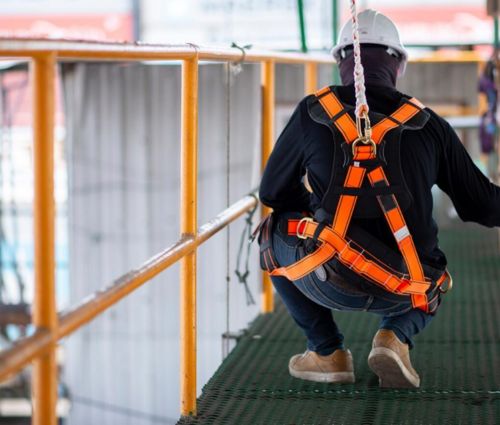
Select fall protection systems based on the hazard, task, access frequency, and number of employees exposed. Guardrails, covers, parapets, and barriers provide passive protection and should be used where feasible because they protect everyone nearby without relying on individual tie-off decisions during active work.
Personal fall arrest systems require careful design. Anchors must support required loads, harnesses must fit each worker, and lanyards, lifelines, and connectors must be rated for the system. Do not casually mix components, because compatibility problems can affect clearance, arrest forces, and connection security significantly.
Build harness inspection into every setup. Employees should check webbing, stitching, labels, buckles, D-rings, shock absorbers, snap hooks, lanyards, anchors, and lifelines before use. Remove questionable equipment immediately, tag it clearly, and document action so supervisors know the system remains reliable, available, and ready today.
3 Paragraphs: 135 Words
Lorem ipsum dolor sit amet, consectetur adipiscing elit. Sed non sapien sed magna laoreet tristique. Nulla facilisi. Morbi vel magna nec tortor hendrerit tincidunt. Pellentesque habitant morbi tristique senectus et netus et malesuada fames ac turpis egestas.
Ut dignissim, nunc ac malesuada varius, augue libero tempor metus, vel pretium enim nulla at velit. Aliquam erat volutpat. Cras id lorem eget justo fermentum pulvinar. Curabitur semper, eros sed iaculis vulputate, tortor augue fermentum eros, non efficitur sem orci ac tellus.
Suspendisse ac diam et est dignissim placerat. Integer et nunc ut sapien gravida scelerisque. Sed nec metus non lacus tempus congue. Proin sed nisl non risus luctus iaculis. Vivamus cursus justo ut magna laoreet porta.
Training turns written procedures into safe field behavior. Employees need to recognize fall exposures, understand selected controls, wear and adjust harnesses, connect only to approved anchors, maintain required clearance, and know when to stop work. Hands-on practice matters because workers must use equipment confidently before real exposure occurs. Include rescue expectations and job-specific examples from the company’s own rooftops, ladders, scaffolds, mezzanines, platforms, and maintenance tasks so lessons match daily conditions at work.
Supervisors need deeper preparation because they plan work, coordinate contractors, verify equipment, and enforce requirements when production pressure rises. A trained supervisor can recognize drift, correct unsafe tie-offs, remove defective equipment, and document coaching before exposure continues. Keep rosters, dates, topics, trainers, and competency checks with safety records to demonstrate employees were prepared before working at heights near edges, openings, ladders, scaffolds, lifts, or elevated production equipment onsite during active projects and repairs each day.
Ladders, Scaffolds, and Elevated Platforms
Ladders need focused control because they are common, portable, and often misused. Match each ladder to the task, height, surface, environment, and load. Follow ladder safety OSHA expectations by setting proper angles, securing ladders when needed, maintaining three-point contact, keeping top steps clear, and prohibiting unstable bases, makeshift extensions, or using ladders as work platforms. Inspect units before use and remove damaged ladders immediately from service.
Scaffolds and platforms require competent person oversight from assembly through dismantling. Verify foundations, planking, guardrails, midrails, toe boards, access points, load limits, electrical clearances, and ties or bracing. Inspect after storms, impacts, relocation, material changes, or modifications. Crews must know who can authorize changes and why unauthorized adjustments create serious fall exposure for workers above and people below during construction, maintenance, or production activities nearby daily.
For lifts, scissor platforms, and boom equipment, verify operator training, pre-use inspections, manufacturer instructions, surface conditions, and required fall protection before elevation. Establish exclusion zones below overhead work to protect others from dropped tools and materials. Keep gates closed, avoid climbing rails, and stop work when wind, traffic, or floor conditions make elevation unsafe. Document inspections, corrections, and shutdown decisions before work resumes on elevated tasks again.
Training, Supervision, and Enforcement
Fall protection training should occur before assignment, but reinforcement must continue in the field. When tasks, equipment, locations, weather, or crews change, review hazards again. Short jobsite conversations, demonstrations, and documented observations confirm that employees can apply requirements under real conditions during each shift.
Supervisors set the standard for enforcement. They must stop unsafe work immediately, correct missing tie-offs, damaged equipment, blocked access, improper ladder use, and unauthorized scaffold changes, then explain the reason for correction. Consistent action shows crews that safety expectations are not optional on any site.
Track observations and corrective actions. Record positive behaviors, repeated gaps, coaching conversations, removed equipment, and work stoppages. Trends may reveal the need for better anchors, clearer procedures, different equipment, or refresher training. Using data for prevention strengthens compliance before injuries occur during elevated work activities.
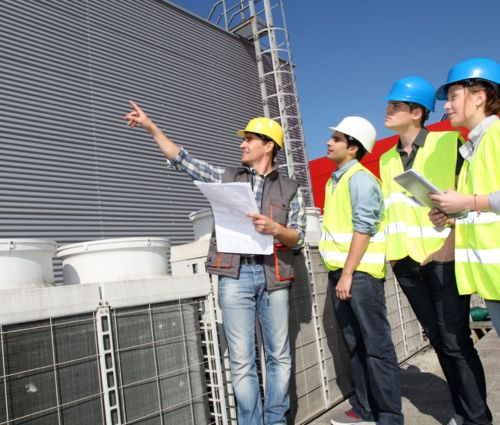
Documentation supports compliance and prevention when it is organized before anyone asks for it. Keep fall hazard assessment forms, equipment inspection logs, training records, competent person reviews, scaffold checks, ladder removals, rescue plans, and corrective action notes together. Clear records help supervisors see whether controls were planned, communicated, inspected, maintained, and corrected throughout the job. They also give OSHA concise evidence of good-faith safety efforts during inspections or incident reviews when needed quickly.
Review incidents, near-misses, and stopped-work events with the same seriousness as injuries. Look for root causes such as missing anchors, rushed access decisions, unclear instructions, incomplete inspections, poor housekeeping, or equipment that does not fit the task. Then update procedures, retrain affected employees, and verify the fix in the field before repeat exposure becomes routine. Share lessons with crews before the next elevated assignment, shutdown, repair, or project begins at the worksite again safely today.
Fall Protection Compliance Checklist
Step 1: assess hazards and standards. Identify each location where employees could fall, the distance involved, the surface below, and the task creating exposure. Confirm whether construction, general industry, or another standard applies, then document trigger heights, edge protection, covers, scaffold controls, ladder rules, rescue needs, and the person authorized to stop unsafe work before employees enter the hazard area during any shift or project phase.
Step 2: equip and train. Provide guardrails, covers, personal fall arrest systems, ladders, scaffolds, lifts, anchors, and connectors that fit the actual task. Inspect equipment before use, remove defective items, and train employees with practical demonstrations, rescue expectations, and supervisor verification. Make training clear for every crew member who may work at heights or supervise elevated tasks, including temporary workers, new hires, and subcontractors when applicable.
Step 3: verify and improve. Observe work in progress, confirm tie-offs and access methods, correct issues immediately, and document what changed. Review inspections, near-misses, and incidents to identify better equipment, clearer procedures, or added training. A disciplined checklist keeps fall protection compliance active, visible, and prevention-focused across active jobsites and operating floors while protecting workers and preserving businesses through practical controls that supervisors can verify daily onsite.
Have Questions About What We Offer?
To learn more about our services, contact us today!
Have Questions About What We Offer?
Contact us to learn more about our services

Speak with a
safety Specialist
Workplace Safety Training & Consulting Experts for
Charlotte, Hickory, Asheville, North Carolina and
the Southeast for since 2005!