

(828) 471-4317
Now Offering Spanish Safety Training!

Now Offering Spanish Safety Training!


Building a Safety Training Matrix: Annual, New-Hire & Task-Specific Requirements
Training Matrix
Why Training Matrices Reduce OSHA Risk
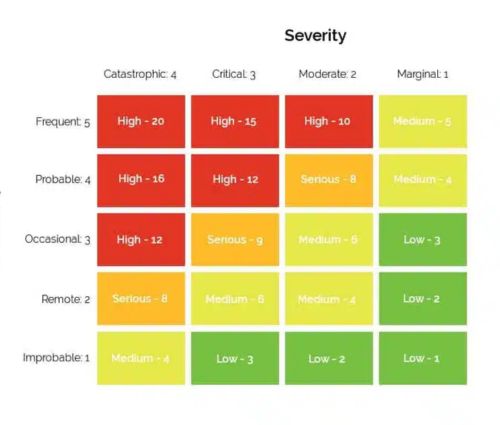
A safety training matrix shows which employees need training, what topics apply, how often refreshers occur, and where proof is stored. It converts OSHA training requirements into a visible plan, preventing missed onboarding, unclear responsibilities, expired qualifications, and records that cannot be produced during inspections.
Supervisors, HR, and safety leaders can see requirements by role, hazard, equipment, and site. The matrix connects new-hire safety training to task-specific safety training for HazCom, lockout/tagout, forklifts, confined space, fall protection, PPE, and client rules across all shifts, locations, and company crews without guesswork.
During an OSHA inspection, the matrix becomes a roadmap for pulling rosters, certificates, forklift training records, lockout tagout training files, confined space training proof, and competency evaluation sign-offs. It supports budgeting, staffing, refresher scheduling, and inspection readiness before deadlines become problems for every site team.
How to Build a Practical Matrix
Build the matrix from actual work, not a generic training list. Start by listing job roles, departments, shifts, and tasks, including temporary employees and supervisors who cover multiple functions. Review JHA/JSA files, incident history, equipment inventories, SDS binders, inspections, and client requirements to identify hazards that drive training, hands-on demonstrations, and OSHA training documentation for each crew, facility, mobile team, and contractor group before assignment begins onsite.
Next, assign rules for every training item. Define whether it is new-hire orientation, annual safety refresher, task-specific before assignment, or event-driven after a change, incident, near-miss, or regulation update. Add delivery method, owner, prerequisites, language needs, and required proof, such as a roster, certificate, quiz, photo, skills checklist, or signed competency evaluation for supervisors, HR, vendors, and safety professionals to verify consistently before work starts daily.
Finally, make the matrix easy to use. Keep it in a shared spreadsheet, LMS report, or controlled database with consistent course names. Add columns for last completion date, next due date, proof location, trainer, evaluator, and employee ID. Review monthly so role, equipment, process, and location changes are captured before OSHA questions arise during audits, onboarding, client reviews, or incident investigations across operations without record confusion later.
Define Roles, Tasks, and Training Types

Start by defining the roles that supervisors schedule every day. Warehouse is too broad; separate forklift operators, pickers, shippers, maintenance, and leads. For construction, separate laborers, equipment operators, competent persons, and foremen. Precise roles let you assign relevant training without overloading employees unnecessarily with extra classes companywide.
Next, inventory task-specific exposures for each role. Tie work to powered industrial trucks, ladders, scaffolds, silica, energized equipment, chemicals, hot work, confined spaces, and fall protection. Use JHAs, observations, and incident reports so the matrix reflects real work, not copied procedures from another job site alone.
Finally, define the training types. Capture baseline onboarding for site rules, reporting, PPE, and emergencies; annual refreshers for recurring hazards; and pre-task qualifications for forklift operation, lockout/tagout, respirators, or confined space entry. Add supervisor coaching duties and emergency response assignments for first aid drills, too.
3 Paragraphs: 135 Words
Lorem ipsum dolor sit amet, consectetur adipiscing elit. Sed non sapien sed magna laoreet tristique. Nulla facilisi. Morbi vel magna nec tortor hendrerit tincidunt. Pellentesque habitant morbi tristique senectus et netus et malesuada fames ac turpis egestas.
Ut dignissim, nunc ac malesuada varius, augue libero tempor metus, vel pretium enim nulla at velit. Aliquam erat volutpat. Cras id lorem eget justo fermentum pulvinar. Curabitur semper, eros sed iaculis vulputate, tortor augue fermentum eros, non efficitur sem orci ac tellus.
Suspendisse ac diam et est dignissim placerat. Integer et nunc ut sapien gravida scelerisque. Sed nec metus non lacus tempus congue. Proin sed nisl non risus luctus iaculis. Vivamus cursus justo ut magna laoreet porta.
Once roles and training types are defined, build matrix columns that drive action. Recommended fields include role, department, required course, delivery method, initial trigger, refresher frequency, proof type, completion date, due date, and record location. Add a competency owner so supervisors know who signs hands-on evaluations and who re-tests when performance slips. Use notes for client rules, bilingual needs, and SOP/JHA references so auditors can trace requirements quickly without disrupting production during site visits anywhere.
Keep training grouped into three practical bands. New-hire safety training covers reporting, stop-work authority, PPE basics, HazCom overview, emergency procedures, and company expectations. Annual safety refresher topics include hazard recognition, incident reporting, and rule updates. Task-specific safety training is tied to equipment or permits, including forklifts, lockout/tagout, confined space, fall protection, hot work, and silica controls. Color coding and reminders help HR prevent gaps before deadlines, audits, or staffing changes create surprises for supervisors.
Assign Frequencies and Verify Competence
Training frequency should be driven by risk and by what the standard expects. Some topics are annual by policy, while others are as-needed when a process changes or a new chemical is introduced. Your matrix should show calendar refreshers and trigger-based retraining after incidents, observations, equipment changes, failed evaluations, client updates, or regulation changes, so supervisors know when work must pause for training before exposure resumes.
Competence matters more than attendance. For high-risk tasks, require hands-on checks that verify pre-use inspection, safe operation, shutdown, emergency response, and hazard recognition. For lockout/tagout, confirm authorized employees can isolate energy, apply locks, and test for zero energy. For fall protection, confirm anchor selection, harness fit, clearance, rescue awareness, and manufacturer limits while recording evaluator, conditions, deficiencies, and pass/fail status promptly in actual work settings onsite.
Build verification into OSHA training documentation so records stay defensible. Use sign-in sheets for classroom sessions, quiz scores for online modules, and skills checklists for field evaluations. Store proof in one place with file names tied to employee ID, course code, date, and trainer. This shows training occurred and competency evaluation was completed before hazardous work during audits, inspections, or internal reviews by leaders across the company.
Managing Changes and Keeping Records Clean
Training matrices fail when change management is weak. Set a rule: new equipment, chemicals, subcontractor scope, client requirement, or process step triggers review of the matrix and JHA. Supervisors should notify safety or HR before the change goes live so training happens before exposure starts.
Keep records clean by standardizing documentation. Use one roster template, one skills checklist format, and one naming convention for stored files. Record the trainer, date, topic, equipment model, and site. For task-specific sign-offs, include evaluator and performance criteria so trained is consistent for retrieval later.
Version control matters. Date-stamp the matrix, track revisions, and keep a short change log explaining what was added, removed, or reclassified. During audits, you can show the matrix is actively managed, approved by responsible leaders, and aligned with current work and site expectations today companywide.

If you are starting from scratch, a spreadsheet is enough. Create one tab for courses with name, description, frequency, and proof type, and one tab for employees with role, department, supervisor, and hire date. Use a third tab to join role-to-course requirements, then fill completion dates as training occurs. Scan certificates to a controlled folder and link the path in the matrix so records can be retrieved quickly during OSHA inspections or client audits onsite.
Add reminders so the matrix stays alive. Run a monthly report of items due in the next 30–60 days, schedule classes in advance, and notify supervisors of upcoming expirations. When a new hire starts, use the matrix as the onboarding checklist before hazards are assigned. Spot-check records quarterly to confirm sign-offs match skills observed on the floor and in the field. This routine makes compliance visible before production pressure wins or onsite audits begin unexpectedly.
90-Day Rollout for Full Coverage
Days 1–15: inventory and design. List job roles, core hazards, and training already delivered. Pull OSHA training requirements, client rules, and site expectations, then standardize course names, proof types, delivery methods, and refresher rules. Build the spreadsheet or LMS report, choose skills checklist templates, and identify who owns each course and approves task qualifications for every department, shift, location, and supervisor group before the rollout begins formally companywide.
Days 16–45: populate and pilot. Assign every employee a role, link roles to required trainings, and load historical completions only where proof exists. Run a gap report and schedule the highest-risk items first: forklifts, LOTO, fall protection, confined space, respiratory protection, and emergency response. Train supervisors to document hands-on evaluations so competence is verified, not assumed, then publish due dates to managers for accountability weekly reviews.
Days 46–90: operationalize. Add the matrix to onboarding, promotions, transfers, and temporary assignments so training happens before task exposure. Establish a monthly due-date review, quarterly audit of documentation quality, and annual refresh tied to JHA updates. Maintain an inspection-ready folder with rosters, certificates, skills checklists, and the latest matrix version for OSHA requests. Track completion rates and coach supervisors where performance trends show risk or confusion companywide.
Have Questions About What We Offer?
To learn more about our services, contact us today!
Have Questions About What We Offer?
Contact us to learn more about our services

Speak with a
safety Specialist
Workplace Safety Training & Consulting Experts for
Charlotte, Hickory, Asheville, North Carolina and
the Southeast for since 2005!